Recognition for your contribution to society
Every day, nurses and midwives make a real and lasting contribution to society. We keep the health, aged and primary health care systems running and, either directly or indirectly, our clinical care keeps individuals, families, communities and the economy functioning.
That is why there has to be stronger investment in the nursing and midwifery workforces. We want to ensure that our professions have a strong and influential future, that we’re truly recognised for the contribution we make.
Under our leadership the Association will give nurses, midwives and carers a strong voice at the table where decisions are made – in forums, industrial tribunals and in state and national politics – so that we can progress our professional and industrial claims.

A better workplace, better professions.
Nurses and midwives can only work to the full extent of their scope of practice and provide the holistic care they are trained to provide if there is sufficient staffing in their workplaces. Paid education, managerial support, and the resources to carry out nursing and midwifery research are critical for professional development. We need career paths that reflect the contribution we can make.
So that nurses, midwives and carers can reach their full potential as professionals we will:
fight for shift-by-shift ratios across the health and aged care systems and safe staffing in primary healthcare
defend existing career pathways and create new ones
ensure staffing levels are enforceable on a day-to-day basis
fight for real pay rises that recognise your qualifications, value your work, and provide economic security while working and after retirement.
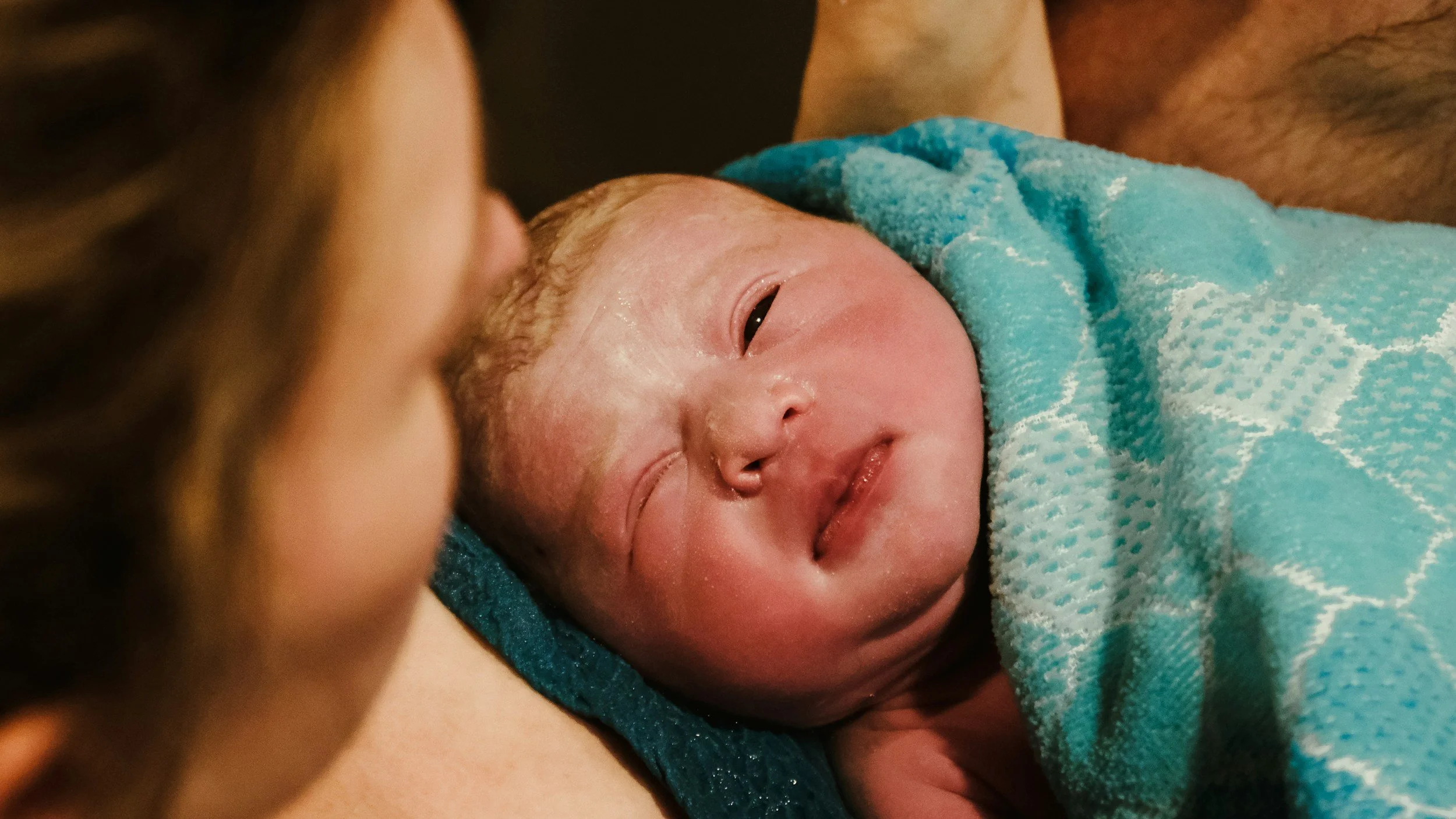
Closing the gender pay gap benefits everyone, and it will benefit the economy. As an Association representing a predominantly female workforce we have taken on the systemic issues that drive the gender pay gap. We have won by getting the industrial laws changed in NSW and we mounted an historic case on behalf of public sector members. But there’s more to do, including addressing:
improved roster flexibility measures that support nurses and midwives throughout their career
changes to our superannuation system to ensure nurses and midwives can access a comfortable retirement
improved access to parental leave and domestic violence leave
the barriers nurses and midwives face in order to return to their management positions after maternity leave.
We want our members to have a role in shaping our professions – ensuring they are future-fit by expanding or highlighting scope of practice opportunities and by removing barriers that are holding our professions back.

Building the nursing and midwifery workforces
There has to be more done to ensure we have the nursing and midwifery workforce that is needed today, and into the future.
This requires coordinated workforce planning between state and federal governments and incentives that attract more people to nursing and midwifery, and the work satisfaction that will help them stay.
We will advocate for fee-free courses and improved financial support for students on clinical placement.
We will work with student groups and members to lobby the Federal Government to improve clinical placements and ensure universities and hospitals support them so that the experience better prepares students for their future.